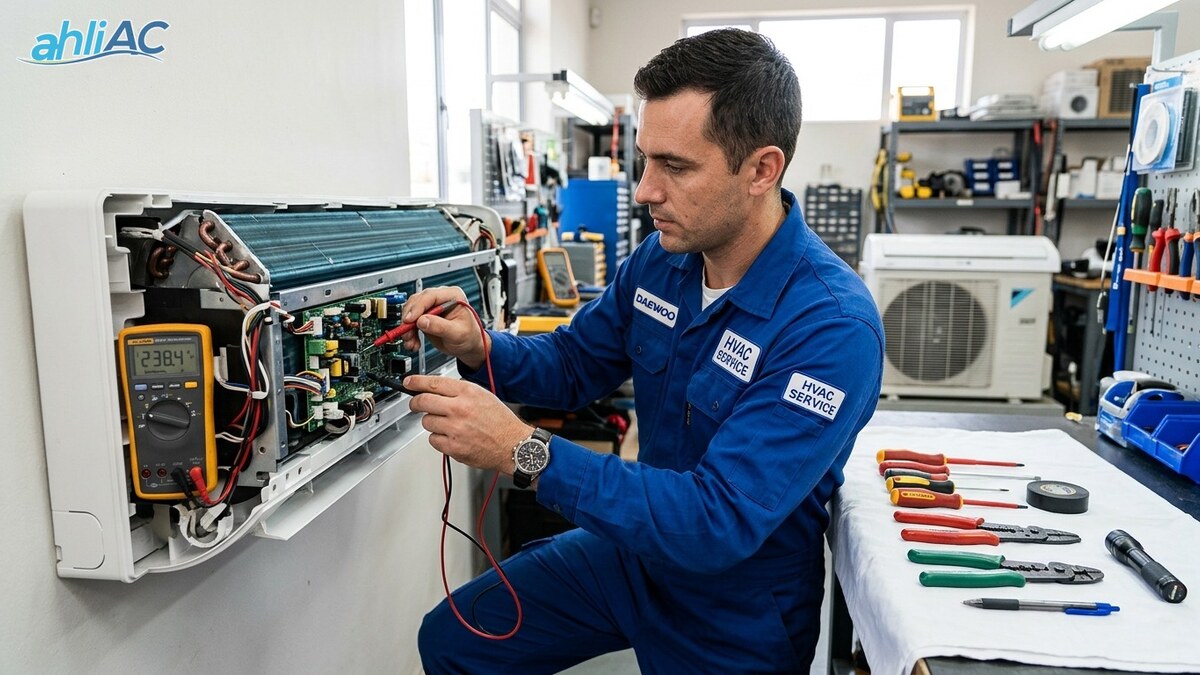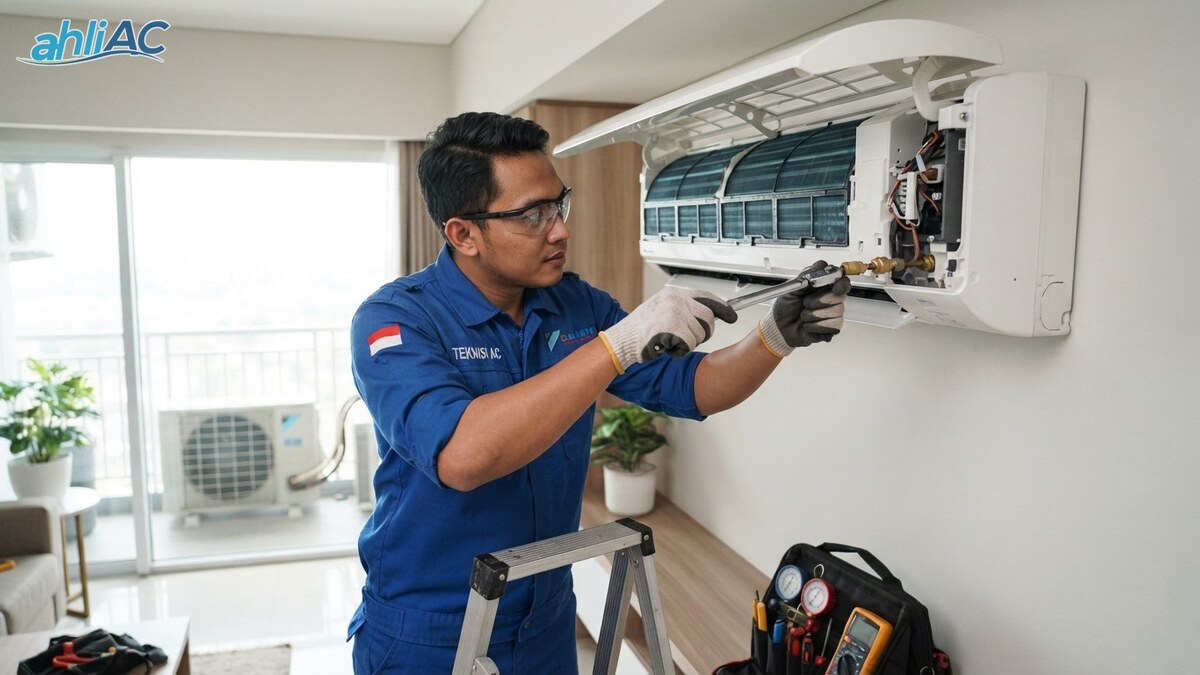
Mastering Danfoss Commercial Refrigeration Commissioning: Practical Steps for Optimal Commercial Cooling Systems
In the world of commercial refrigeration, the success of a system relies heavily on proper installation and initial setup. This is where the vital role of Danfoss Commercial Refrigeration Commissioning comes into play. As technicians, we know that commissioning is far more than simply connecting wires. It is a systematic process that ensures every Danfoss commercial refrigeration unit operates to exact specifications, safely, efficiently, and with long-term durability. This article will guide you through the critical stages—from preparation to final validation—focusing on industry best practices.
Understanding the Importance of Proper Danfoss Commercial Refrigeration Commissioning
Commissioning serves as the bridge between physical installation and full operational capability. Without this thorough process, the risks of system failure, excessive energy consumption, and premature component degradation increase dramatically. For commercial refrigeration systems that are critical to businesses such as supermarkets, cold storage warehouses, or food processing plants, operational failure can result in catastrophic financial losses.
Why Commissioning is Not Just ‘Plug and Play’
Modern refrigeration systems, especially those integrating advanced Danfoss components, are highly complex. They incorporate sophisticated electronic controllers, Electronic Expansion Valves (EEVs), variable-speed compressors, and numerous sensors that must communicate and operate in perfect harmony. Commissioning guarantees that all these elements are correctly integrated, the system is leak-free, refrigerant is accurately charged, and control parameters are optimized. This is the definitive stage for achieving promised energy efficiency ratings and stable cooling performance.
Key Pre-Commissioning Stages: Building the System Foundation
Before a Danfoss commercial refrigeration system is powered on, several essential pre-commissioning steps must be executed. This foundation ultimately determines the future stability and reliability of the system.
Initial Inspection and Installation Verification
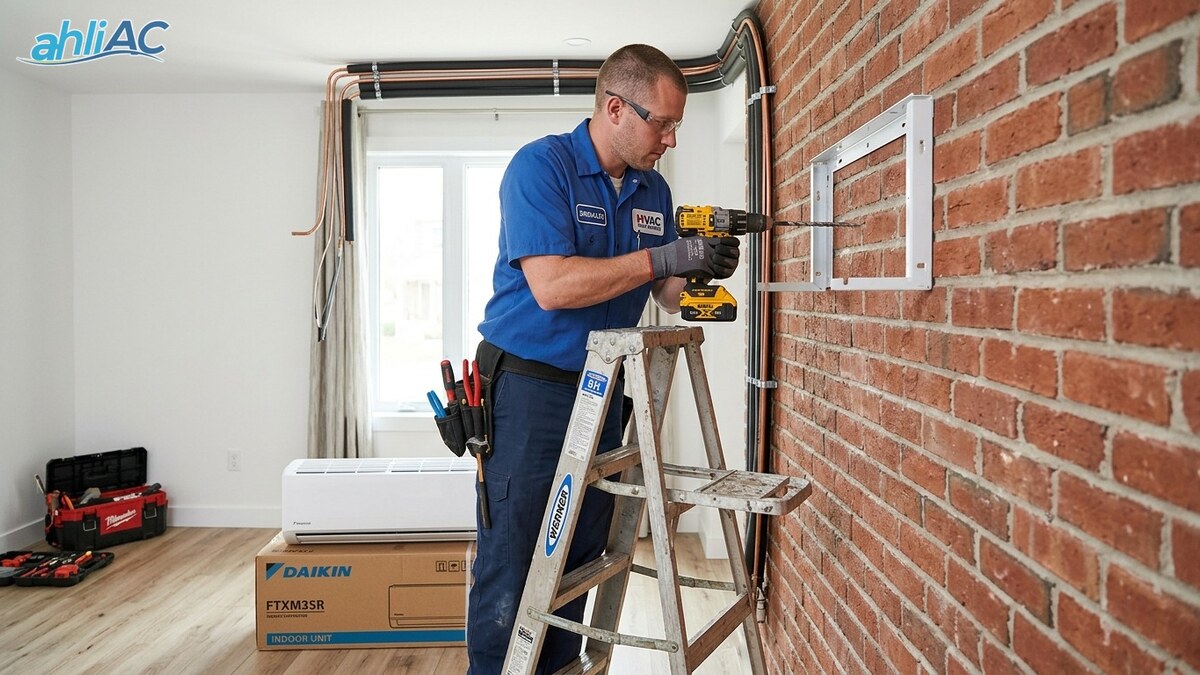
Conduct a comprehensive visual inspection. Ensure that all components are securely and correctly mounted according to engineering installation diagrams.
-
Piping & Insulation: Check refrigerant piping routes, thermal insulation integrity, and condensate drainage slopes, ensuring no physical damage has occurred.
-
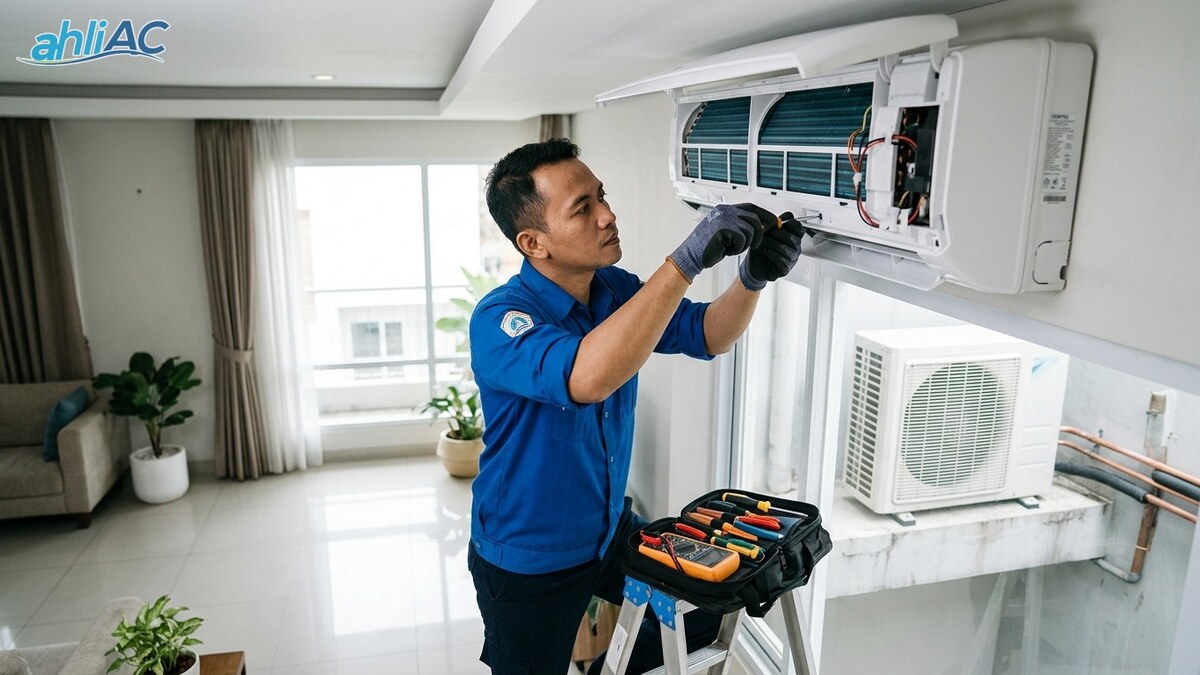
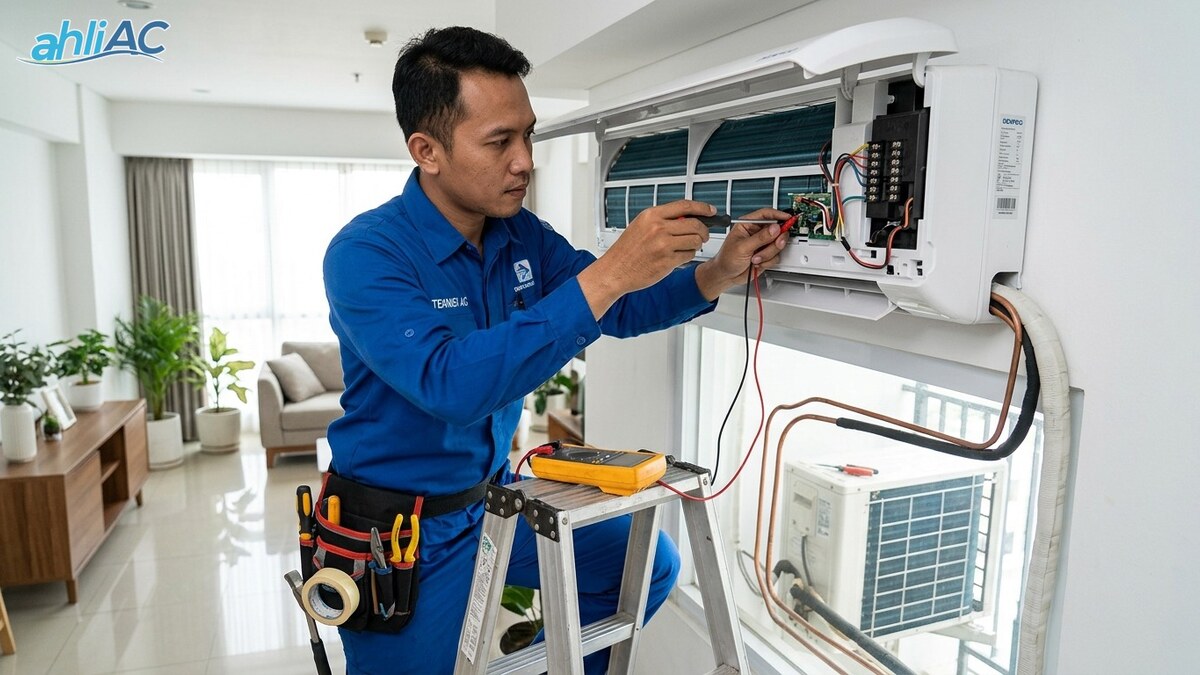
Electrical Integrity: Verify that all electrical terminations are tight and torqued to specification, and confirm there is no foreign debris inside panels.
-
Valves & Filters: Ensure all service valves, sight glasses, and filter driers are installed in the correct orientation.
Leak Test Compliance & Deep Evacuation
System leak testing is an absolute requirement.
-
Pressure Testing: Pressurize the system using dry nitrogen to high pressure (adhering strictly to Danfoss standards and local regulations). This pressure must be held for a minimum of 24 hours without any drop to achieve leak test compliance.
-
Deep Evacuation: Once verified leak-free, the system must be evacuated to a deep vacuum—typically below 500 microns. This removes non-condensable atmospheric air and moisture.
-
Dehydration Parameters: Failure to achieve optimal system dehydration parameters can lead to moisture reacting with refrigerants and oils to form corrosive acids, ultimately causing compressor motor burnout. Always use a high-capacity dual-stage vacuum pump and a calibrated digital micron gauge for absolute accuracy.
Executing Danfoss Commercial Refrigeration Commissioning: Optimizing Performance
Once the physical and mechanical foundations are verified, performance optimization begins through meticulous commissioning execution.
Refrigerant Charging and Sensor Calibration
Refrigerant charging must be executed with extreme precision, typically introduced in the liquid phase using calibrated digital refrigerant scales. The charge weight must adhere strictly to the manufacturer’s engineering specifications.
Following charging, all temperature and pressure transducers (including those integrated into Danfoss electronic controllers) must be calibrated and verified for accuracy. Ensure that sensor readings cross-reference consistently with your calibrated reference instruments.
Danfoss Control Parameter Configuration and Functional Testing
Danfoss controllers—such as the EKC, MCX, or Optyma™ Control series—require precise parameter configuration. This includes setting:
-
Target temperature setpoints and differentials
-
Defrost cycle intervals and termination thresholds
-
EEV superheat parameters and PID loop settings
-
High- and low-pressure safety alarm limits
Every parameter must be tailored to the specific application requirements. Following configuration, conduct systematic functional testing across every operational mode: cooling, defrost, and emergency shutdown. Verify that each component (compressor, condenser/evaporator fans, and expansion valves) responds accurately to controller commands.
Danfoss Industrial System Validation and Load Testing
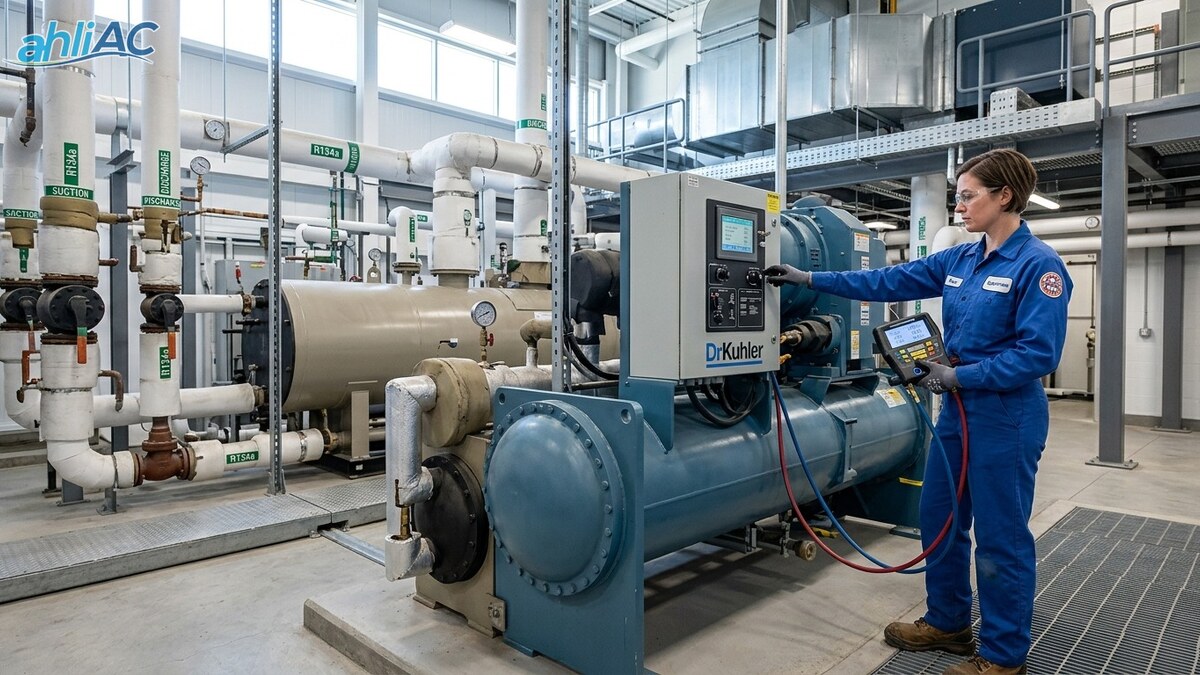
Test the system under real-world operating conditions. Perform Danfoss industrial system validation by logging temperatures, pressures, electrical amperage, and power consumption across multiple full operational cycles. This may involve simulated thermal load testing or monitoring during actual product pull-down.
Evaluate the system’s thermodynamic performance—specifically calculating superheat and subcooling—to verify that thermal efficiency and cooling capacity meet design criteria. Data logging and analysis during this phase are vital components of comprehensive thermodynamic commissioning.
Post-Commissioning and Documentation: Ensuring Long-Term Sustainability
The commissioning process is incomplete without comprehensive documentation and a structured handover protocol.
Reporting and Handover Under Corporate Cold Room Integration Protocols
Generate a detailed commissioning report documenting all recorded operational parameters, controller settings, leak test pressure logs, and vacuum decay curves. This documentation must comply with corporate cold room integration protocols, serving as a critical baseline reference for future predictive maintenance and diagnostics. Hand over all engineering manuals, wiring schematics, and technical data sheets to the facility owner or plant operator.
Operator Training and Preventive Maintenance Guidelines
Provide concise yet comprehensive training to facility operators regarding basic daily operation, alarm monitoring, and emergency shutdown procedures. Outline the structured preventive maintenance schedule recommended by Danfoss to ensure the system maintains peak performance over its lifecycle. Educate personnel on the critical importance of keeping condenser and evaporator coils clean, alongside routine visual inspections.
Common Challenges and Solutions in Danfoss Commercial Refrigeration Commissioning
Even experienced technicians encounter hurdles during field commissioning. Below are common challenges and their practical engineering solutions.
Conclusion: An Investment in Professional Commissioning
Danfoss Commercial Refrigeration Commissioning is a vital investment in the operational efficiency, mechanical reliability, and lifespan of commercial refrigeration assets. Adhering rigorously to the pre-commissioning, execution, and post-commissioning stages outlined in this guide guarantees compliance with international industry standards and delivers complete peace of mind to business owners.
As technical specialists at ahliAC.com, we emphasize uncompromising professionalism in every commissioning project to ensure peak thermodynamic performance and total customer satisfaction. For professional engineering assistance or technical consultation, reach out to the ahliAC.com team.
FAQ: Frequently Asked Questions About Danfoss Commercial Refrigeration Commissioning
Q: How long does the commissioning process typically take for a Danfoss commercial refrigeration system? A: The timeframe varies significantly based on system size and complexity. A small self-contained or single-zone unit may take one day, whereas large, multi-zone industrial systems can require several days to a full week—particularly during the mandatory 24-hour pressure holding test and deep vacuum evacuation phases.
Q: What are the primary risks of improper or incomplete commissioning? A: The most severe risks include premature compressor failure (motor burnout or mechanical seizure), poor energy efficiency resulting in inflated utility bills, inadequate cooling capacity leading to product spoilage, chronic refrigerant leaks, and a significantly shortened equipment lifespan.
Q: Are specialized tools required for Danfoss Commercial Refrigeration Commissioning? A: Yes. Essential instrumentation includes calibrated digital manifold gauges, high-precision electronic refrigerant scales, high-capacity dual-stage vacuum pumps, digital micron gauges, electronic leak detectors, digital thermohygrometers, and Danfoss-specific configuration software or interface tools for parameter programming.
Q: How can technicians ensure compliance with industry standards during commissioning? A: Strictly follow official Danfoss installation and commissioning engineering manuals alongside recognized international standards such as ASHRAE or ISO. Ensure all pressure test thresholds, vacuum depths, and electrical measurements conform to published engineering specifications, and maintain exhaustive documentation of all test results.
Q: When should Danfoss industrial system validation be performed? A: System validation should be conducted after all foundational control parameters are configured and the system has achieved stable operation over several routine thermal cycles. This allows engineers to evaluate real-world thermodynamic performance under actual heat loads and verify that all mechanical and electronic components operate harmoniously at peak efficiency.