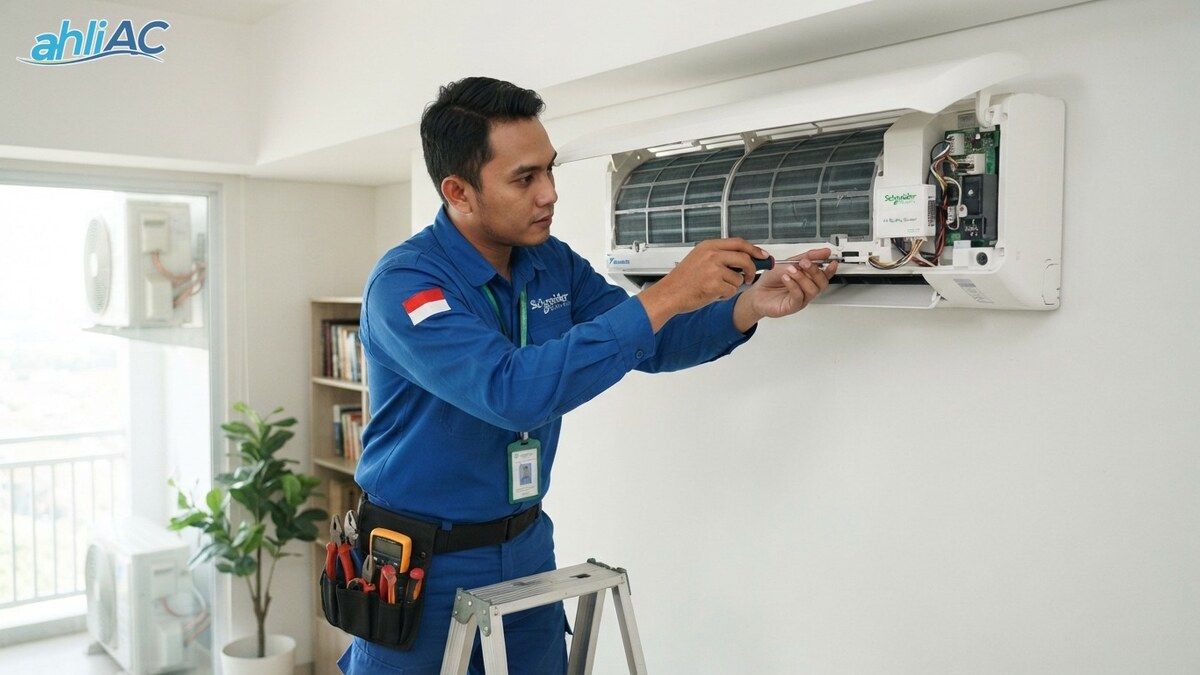
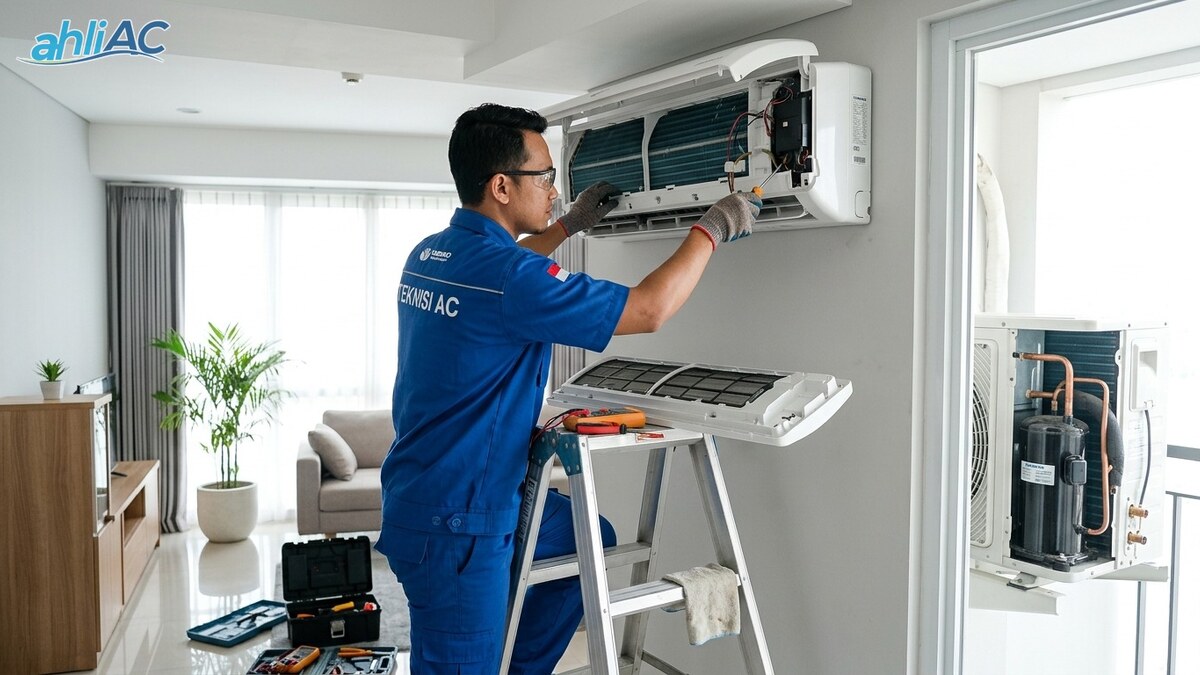
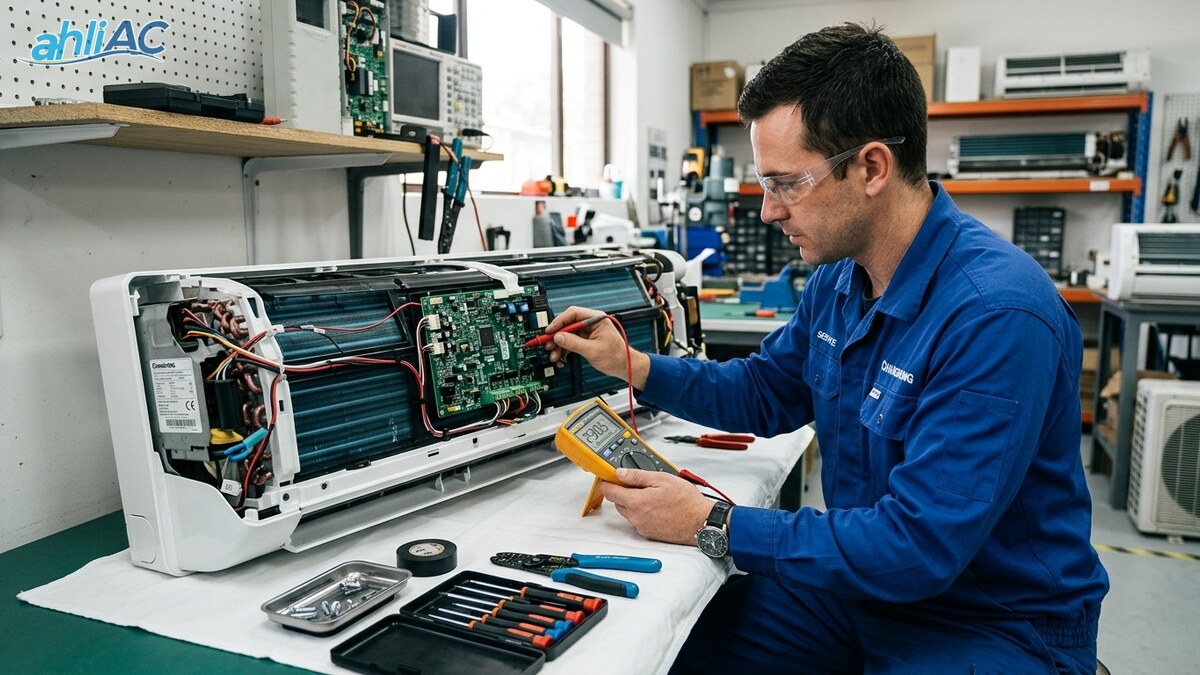
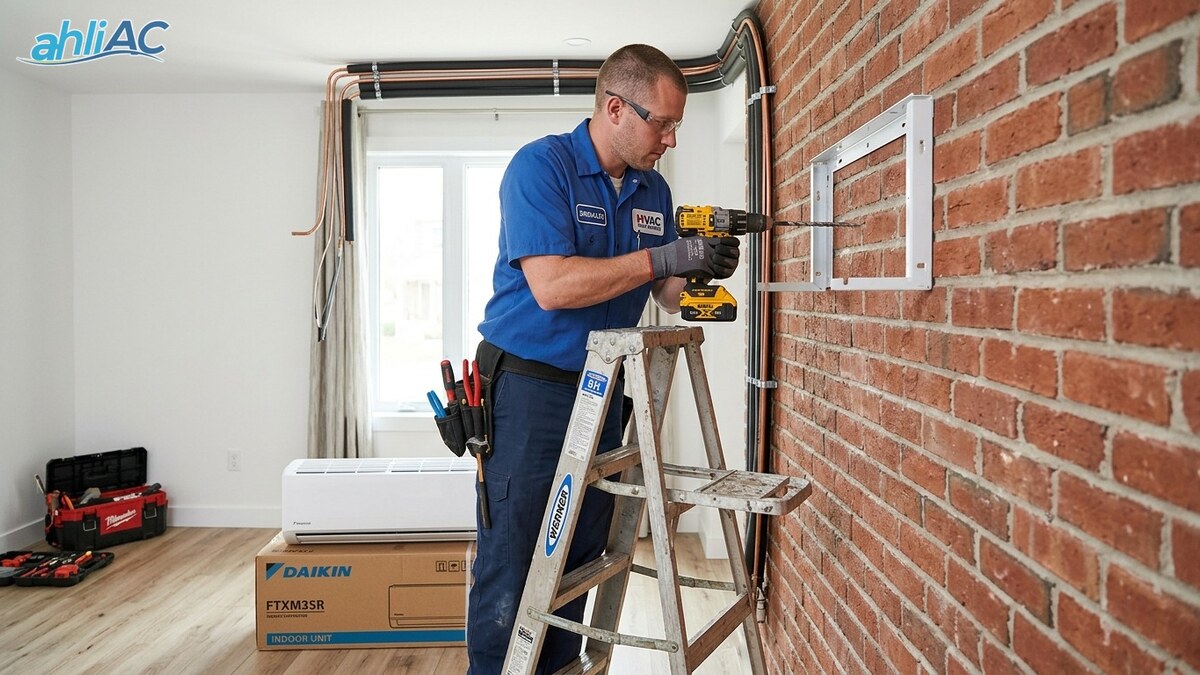
HVAC Contractor: Expert Solutions for All System Types
Stepping into a perfectly climate-controlled building feels effortless, yet the machinery behind that comfort is anything but simple. In the tropical humidity of Indonesia, an HVAC contractor serves as the vital link between complex thermal engineering and the daily productivity of occupants. Whether it is a high-rise office in Jakarta or a marine vessel docked in Surabaya, the demand for sophisticated air management has moved beyond basic cooling toward total atmospheric control.
A professional contractor does not merely install units; they design ecosystems. This involves a deep understanding of air filtration, humidity modulation, and energy recovery. At ahliAC, we view every project as a unique engineering challenge where “one size fits all” is a recipe for high electricity bills and premature system failure.
The Evolution of Climate Control: Why an HVAC Contractor is More Than a Technician
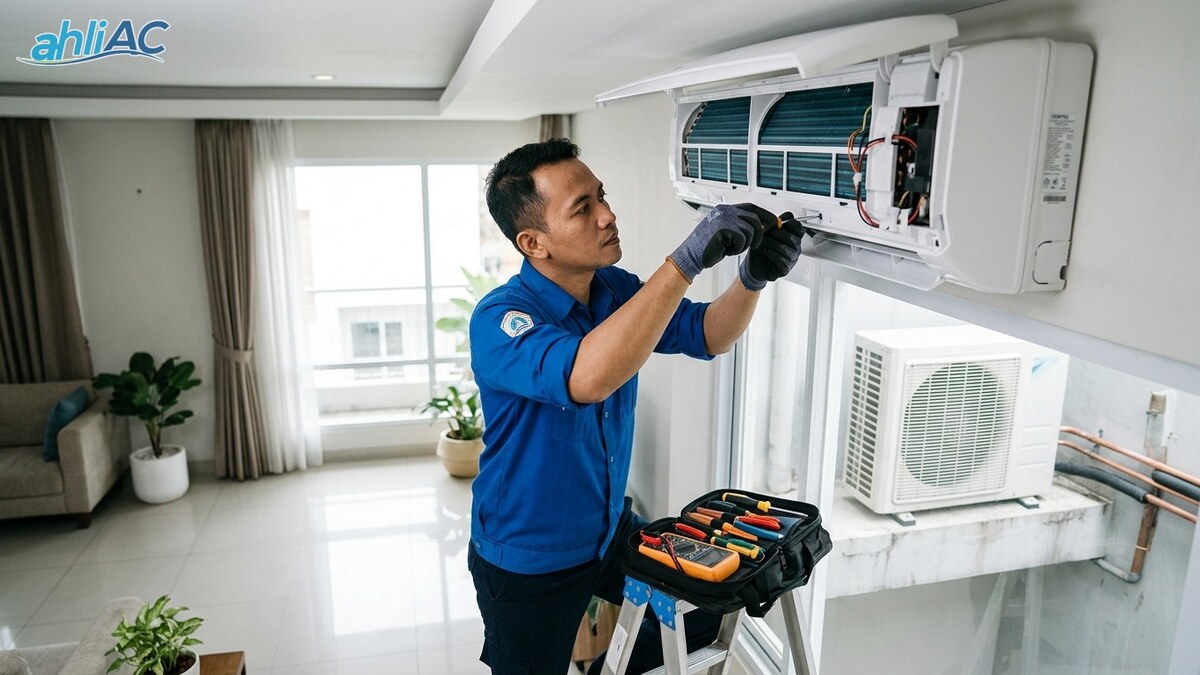
The term “AC technician” often evokes the image of someone cleaning filters or refilling refrigerant. While these tasks are essential, an HVAC contractor operates at a higher strategic level. We deal with the synergy of Heating, Ventilation, and Air Conditioning. In a modern context, this means ensuring that a building “breathes” correctly.
Engineering Comfort: The Science of Thermodynamics in Modern Buildings
Everything starts with the second law of thermodynamics. Heat naturally moves from warm to cool areas. Our job is to reverse or manage that flow efficiently. This requires mastery over latent and sensible heat. When a contractor analyzes a space, they aren’t just looking at the square footage; they are assessing the “thermal envelope.” Are the windows double-glazed? Is the roof insulated? How many people are working in the room? These variables dictate the BTU requirements and the specific technology required to maintain a steady state of comfort.
1. Diverse Solutions for Every Environment
Climate needs vary drastically across sectors. A high-performance HVAC contractor must be a polymath, comfortable with both the delicate needs of a smart home and the rugged demands of a manufacturing plant.
2. Residential Precision: Multi-Split and VRV Systems
Modern homes no longer rely on noisy, inefficient window units. We now implement Variable Refrigerant Volume (VRV) or Variable Refrigerant Flow (VRF) systems. These allow a single outdoor unit to power multiple indoor units, each with independent temperature control. This is the pinnacle of residential luxury and efficiency. It minimizes the visual clutter of outdoor condensers while maximizing energy savings through inverter technology that adjusts the compressor speed to match the exact demand.
3. Commercial Dominance: Centralized Cooling and AHU Networks

For shopping malls and office towers, the scale shifts. Here, we often deploy an Air Handling Unit (AHU). These massive units are the lungs of the building. They take in outside air, filter it, cool it (or heat it), and distribute it through a network of ducting. A professional contractor ensures that the static pressure within these ducts is perfectly balanced. If the pressure is too high, the system becomes noisy and consumes excessive energy; if too low, the air won’t reach the furthest corners of the floor.
4. Industrial Rigor: Heavy-Duty Ventilation and Process Cooling
In industrial settings, HVAC is often a matter of safety as much as comfort. Cleanrooms, data centers, and chemical plants require precise pressure differentials to prevent contamination. Here, we focus on filtration grades (HEPA/ULPA) and specialized exhaust systems that can handle corrosive or volatile air.
5. Specialized Marine HVAC: Conquering High-Salinity Challenges

Marine environments are perhaps the most hostile for HVAC systems. Saltwater is incredibly corrosive to copper and aluminum coils. A specialized HVAC contractor for marine applications utilizes anti-corrosion coatings and high-grade stainless steel components. We design systems that can withstand the constant vibration of the ship’s engines while providing consistent cooling in the tight, unyielding spaces of a vessel’s interior.
The Anatomy of a High-Performance HVAC Project
Execution is where the “Expert” in our title truly manifests. A project’s success is determined by the data gathered before the first bolt is tightened.
1. Heat Load Calculations: The Blueprint of Efficiency

The most common mistake in the Indonesian HVAC industry is “guessing” the capacity. An oversized unit will cycle on and off too frequently (short-cycling), which destroys the compressor and fails to dehumidify the air. An undersized unit will run indefinitely, leading to massive energy waste and a room that never feels quite cool enough. We use rigorous Heat Load Calculations, accounting for every watt of internal heat gainfrom LED lights to coffee machines.
2. Airflow Dynamics and Static Pressure Mastery
Airflow is invisible, but its effects are tangible. Proper airflow ensures that there are no “dead zones” in a room. We use anemometers and pressure gauges to verify that the evaporator is receiving the correct volume of air. If the airflow is restricted, the refrigerant won’t evaporate properly, which can cause the liquid to return to the compressor a fatal event known as “liquid slugging.”
3. Refrigerant Management and Environmental Compliance
The world is moving away from R22 and even R410A in favor of more environmentally friendly options like R32 or natural refrigerants. A forward-thinking HVAC contractor must be licensed in the recovery and handling of these gases. Proper charging is a science; even a 10% deviation from the manufacturer’s specified charge can drop the Energy Efficiency Ratio (EER) by 20% or more.
4. Technical Standards and Installation Excellence
The difference between a system that lasts 5 years and one that lasts 15 years lies in the installation details.
Ducting Integrity and Insulation Quality

Poorly sealed ducting is like pouring money into a leaky bucket. We utilize high-grade insulation (like closed-cell elastomeric foam) to prevent condensation and energy loss. Every joint must be sealed with professional-grade mastic or foil tape to maintain static pressure.
Control Systems and Smart HVAC Integration

In 2026, a building is only as good as its brain. We integrate HVAC systems into Building Management Systems (BMS). This allows for scheduled cooling, remote monitoring, and predictive maintenance. Imagine a system that emails the contractor before a part fails because it detected a slight increase in the motor’s amperage. That is the level of “Expert Solutions” we provide.
Troubleshooting and Preventive Lifecycle Management
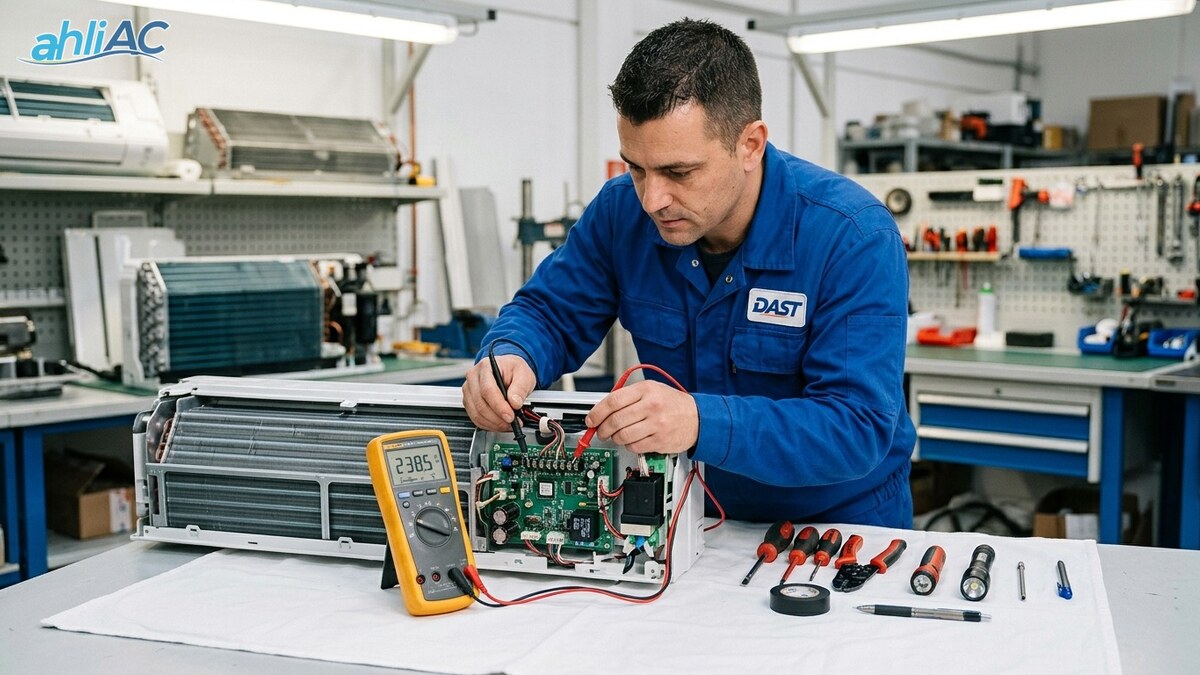
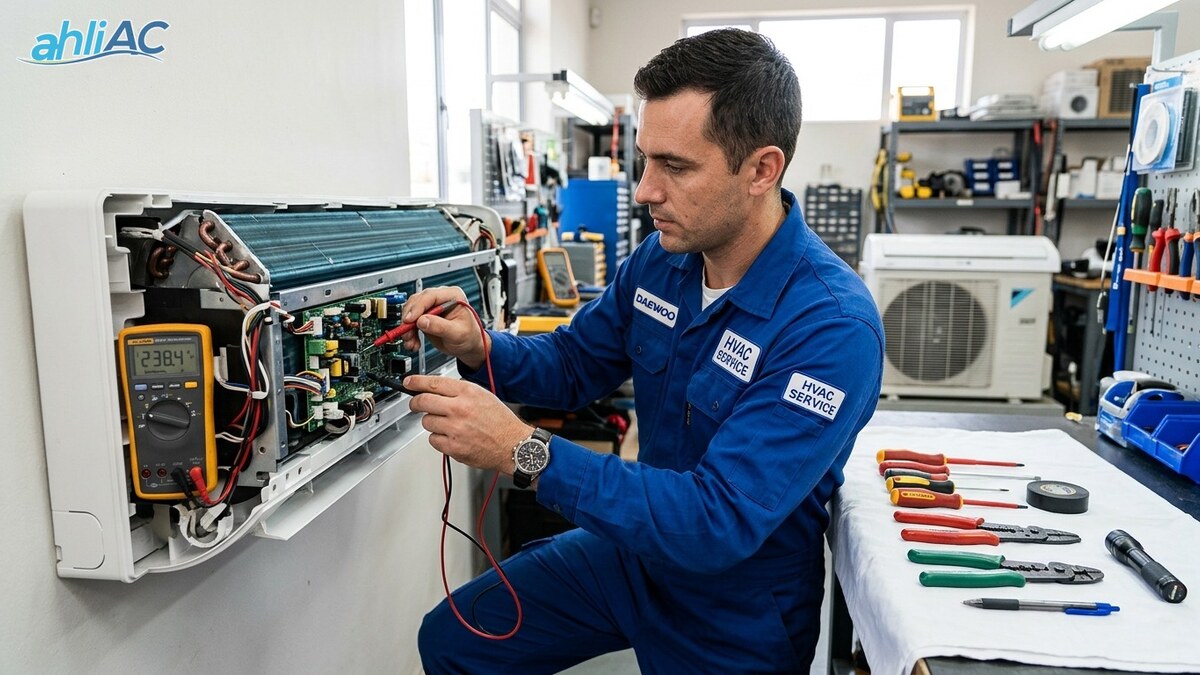
Even the best systems require care. However, we move beyond “break-fix” maintenance. Our approach is Condition-Based Maintenance. We monitor parameters like superheat and subcooling to assess the health of the refrigeration cycle.
| Technical Metric | Ideal State | Sign of Trouble |
| Superheat | 8°F to 12°F (typical) | Low superheat = Risk of liquid in compressor |
| Subcooling | 10°F to 15°F (typical) | High subcooling = Restriction in the system |
| Delta T | 15°F to 20°F across coil | Low Delta T = Poor heat exchange or airflow |
Choosing the Right HVAC Contractor: Red Flags and Gold Standards
When selecting a partner, look for more than just a low quote. Ask for:
- Project Portfolios: Have they handled systems similar to yours?
- Engineering Capability: Do they perform their own load calculations?
- After-Sales Support: Do they offer 24/7 emergency response for critical systems?
Red Flags include contractors who skip the site survey, suggest “standard” sizes without looking at the floor plan, or ignore the importance of proper vacuuming (reaching at least 500 microns) during installation.
Conclusion: Investing in Long-Term Operational Excellence
Choosing an HVAC contractor is one of the most significant decisions a building owner can make. It impacts occupant health, equipment longevity, and the single largest line item on your utility bill. At ahliAC, we combine field-tested grit with engineering precision to deliver climate solutions that stand the test of time. Whether you are managing a complex industrial facility or a boutique office, our expert solutions ensure that your environment works for you not against you.
Technical Table: System Comparison
| System Category | Typical Application | Key Benefit | Technical Entity |
| VRV / VRF | High-end Residential / Offices | Extreme Energy Efficiency | Variable Compressor Speed |
| Chiller Systems | Skyscrapers / Large Industrial | Massive Cooling Capacity | Heat Exchange via Water |
| AHU Networks | Hospitals / Malls | Air Quality & Filtration | High Static Pressure Fans |
| Marine HVAC | Ships / Offshore Platforms | Corrosion Resistance | CuNi (Copper-Nickel) Coils |
FAQ (People Also Ask)
1. Why is my AC not cooling even though it is running?
This is often due to poor airflow caused by dirty filters, a refrigerant leak, or an undersized unit that cannot keep up with the heat load. A professional HVAC contractor will check the pressures and the state of the evaporator coil to find the root cause.
2. What is the difference between an AC technician and an HVAC contractor?
A technician usually handles maintenance and repairs of existing units. An HVAC contractor handles the design, engineering, and installation of entire systems, often involving complex ducting, electrical integration, and structural planning.
3. How often should a commercial HVAC system be serviced?
For commercial environments, we recommend a quarterly (every 3 months) deep check. This includes monitoring the COP (Coefficient of Performance), cleaning coils, and checking all electrical connections to prevent downtime.
4. Is R32 better than R410A?
Yes. R32 has a lower Global Warming Potential (GWP) and is more efficient at transferring heat, which means your system uses less energy to achieve the same cooling effect.
5. What does “Static Pressure” mean in my HVAC system?
Think of it like blood pressure in your body. It is the resistance the fan must overcome to push air through the ducting. If it’s too high, your system works too hard and will eventually fail.