Your Guide to the Best HVAC Contractor Near Me
Searching for a “HVAC contractor near me” usually happens during a moment of mild panic. The air conditioner is blowing lukewarm air, the outdoor unit is making a rhythmic clanking sound, or perhaps your monthly electricity bill has suddenly spiked without explanation. You open Google, type the phrase, and a map pops up with a dozen pins.
But here is the reality: being “near” you is a geographic convenience, not a technical qualification. In the world of heating, ventilation, and air conditioning, the gap between a “handyman with a manifold gauge” and a “certified HVAC specialist” is measured in years of system life and thousands of dollars in energy savings.
The “Near Me” Trap: Why Proximity Isn’t Everything
The temptation to click the first name on the list is high. However, the HVAC industry in regions with high humidity and heat like our service areas demands more than just mechanical aptitude. A local contractor might be five minutes away, but if they don’t understand the specific heat load requirements of your building, they are likely to suggest an “oversized” unit.
In the HVAC world, bigger is rarely better. An oversized unit cycles on and off too quickly (short-cycling), failing to remove humidity effectively. This leaves you with a room that is cold but “clammy” a breeding ground for mold in your ducting and on your evaporator coils. A true professional starts not with a price tag, but with a calculation.
Certified Technicians vs. The “Freon-Only” Fixer

You’ve likely seen it before: a technician arrives, hooks up their gauges, says “you’re low on Freon (refrigerant),” tops it up, and leaves.
This is a red flag. A modern HVAC system is a closed loop. Refrigerant does not “get used up” like gasoline in a car. If it is low, there is a leak. A top-tier contractor won’t just refill the system; they will find the source of the leak in the pipa tembaga (copper piping) or the condenser coils. Hiring the “best” means hiring someone who solves the root cause, not just the symptom.
Technical Green Flags: What a Pro Actually Inspects

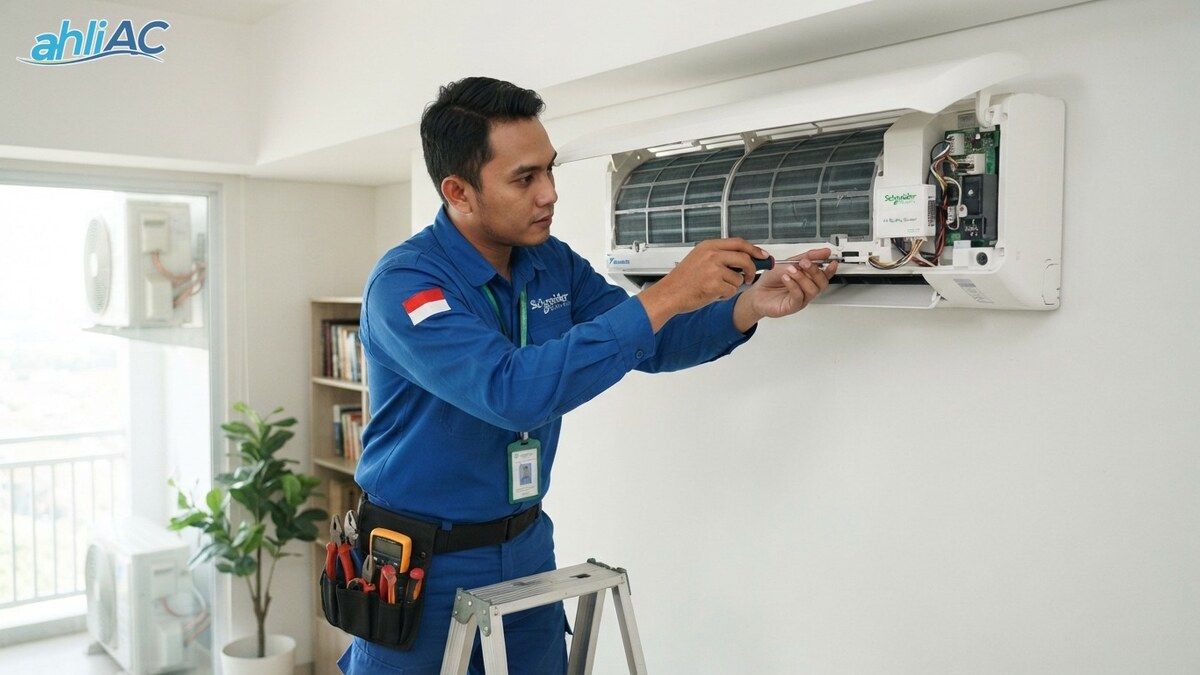
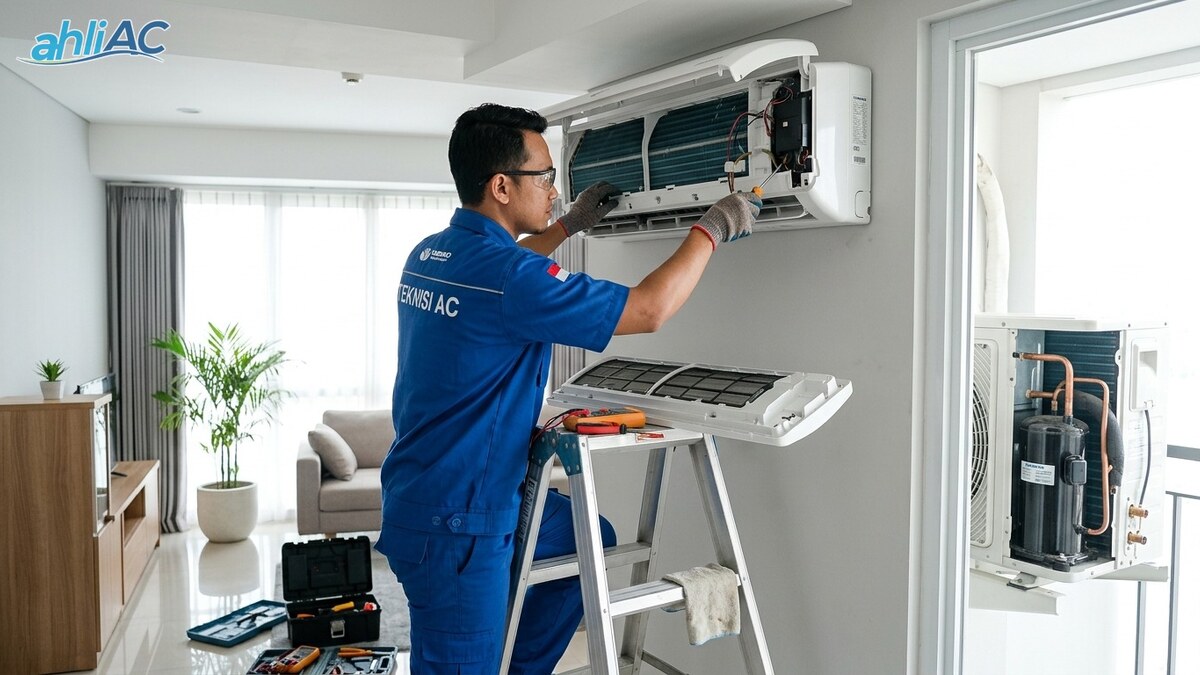
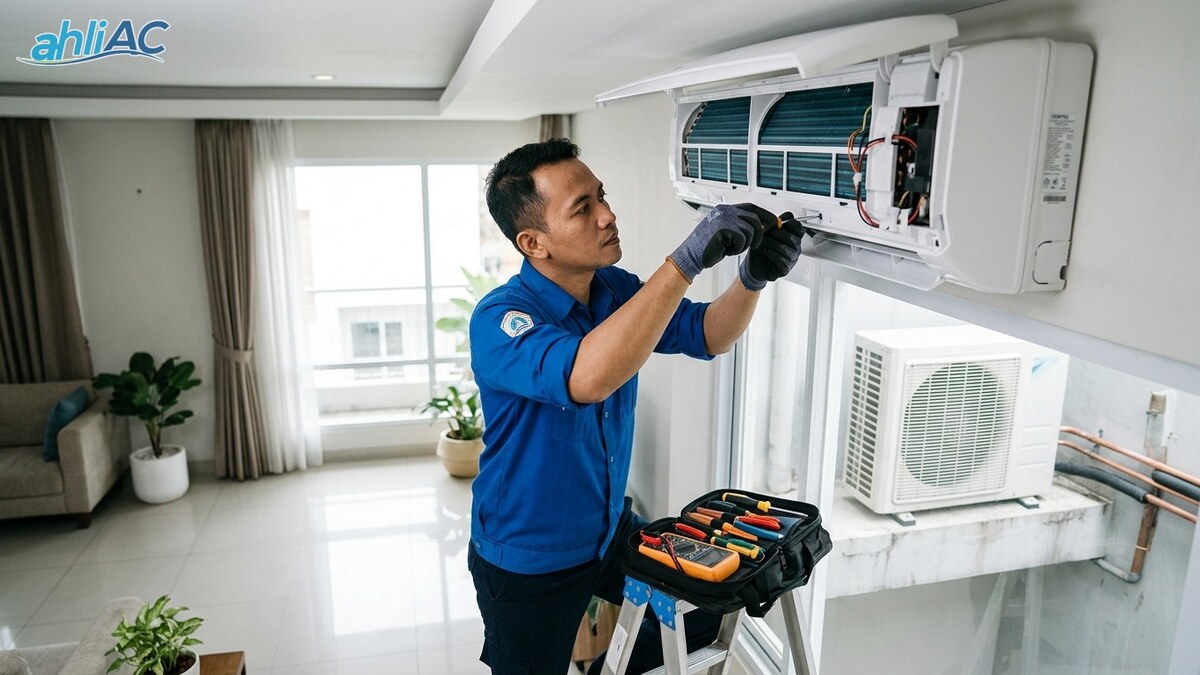
When a specialist from a reputable firm like ahliAC enters your premises, they don’t just look at the thermostat. They look at the “lungs” of your building.
Airflow, Static Pressure, and the Ducting Reality
Many cooling issues aren’t actually AC issues they are airflow issues. A professional contractor will check the static pressure within your system. Think of static pressure like blood pressure for your HVAC. If it’s too high, your compressor works double-time to push air through restricted vents, leading to a premature (and expensive) burnout.
They will also inspect the insulation on your suction lines. If the insulation is degraded, your refrigerant is gaining heat before it even reaches the evaporator, forcing the unit outdoor to run longer than necessary. These are the details that a high-quality “contractor near me” will catch, while a low-cost alternative will ignore.
Beyond the Quote: Analyzing the Scope of Work
A “cheap” quote is often the most expensive thing you can buy. When comparing contractors, look at the granularity of their proposal. Does it include:
- A thorough cleaning of the condensate drain line to prevent indoor flooding?
- A check of the amp draw on the fan motors to predict potential failures?
- A measurement of the delta T (the temperature difference between supply and return air)?
If the quote just says “AC Service,” you aren’t getting a professional HVAC intervention; you’re getting a superficial cleaning.
The ahliAC Standard: Why Holistic Care Wins

At ahliAC, we’ve observed thousands of systems across residential and commercial sectors. The most common commonality in failing systems isn’t “bad luck” it’s a lack of holistic care. We treat the HVAC system as an integrated entity.
For instance, when we look at an industrial HVAC system, we aren’t just checking the chillers. We are looking at how the airflow interacts with the building’s specific heat-generating equipment. Whether it is a small wall-mounted unit or a complex VRF system, the principles of thermodynamics don’t change. You need a contractor who respects those principles.
3 Practical Questions to Ask Your Local Technician
Before you hand over the keys to your mechanical room, ask these three questions to filter out the amateurs:
- “How do you determine the correct refrigerant charge?” * Correct Answer: They should mention “Subcooling” or “Superheat” measurements, not just “looking at the pressure.”
- “Will you be checking the condensate pump and drain?” * Correct Answer: Yes. Blocked drains are the #1 cause of water damage in HVAC-equipped homes.
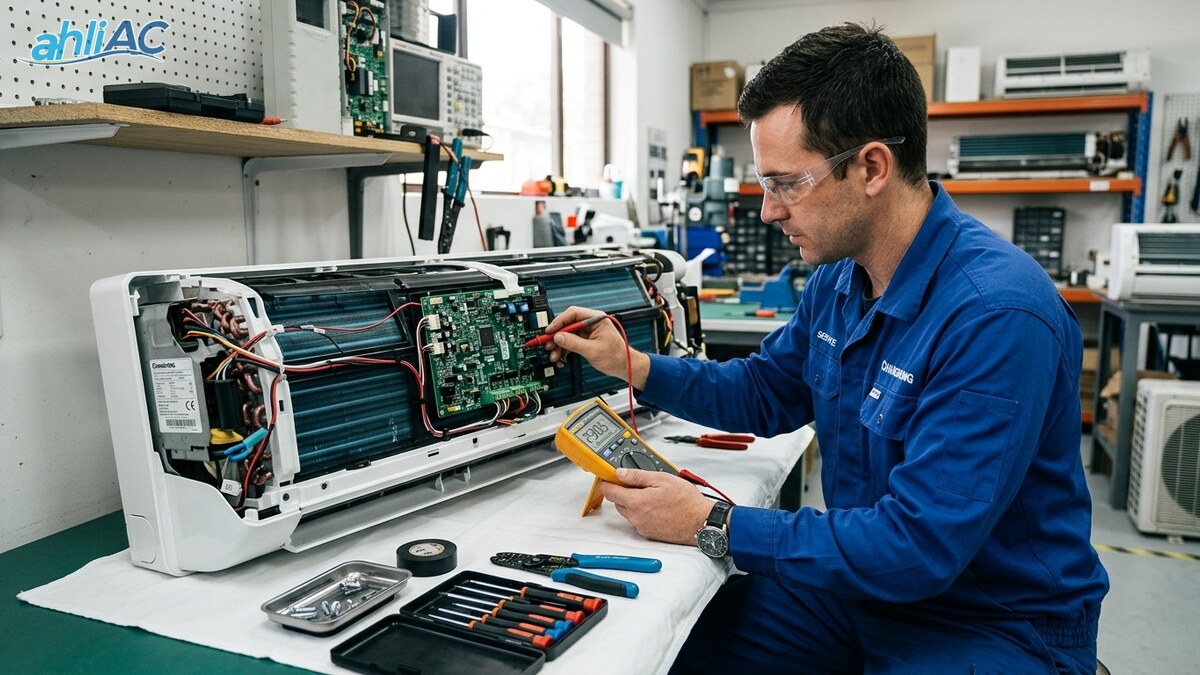
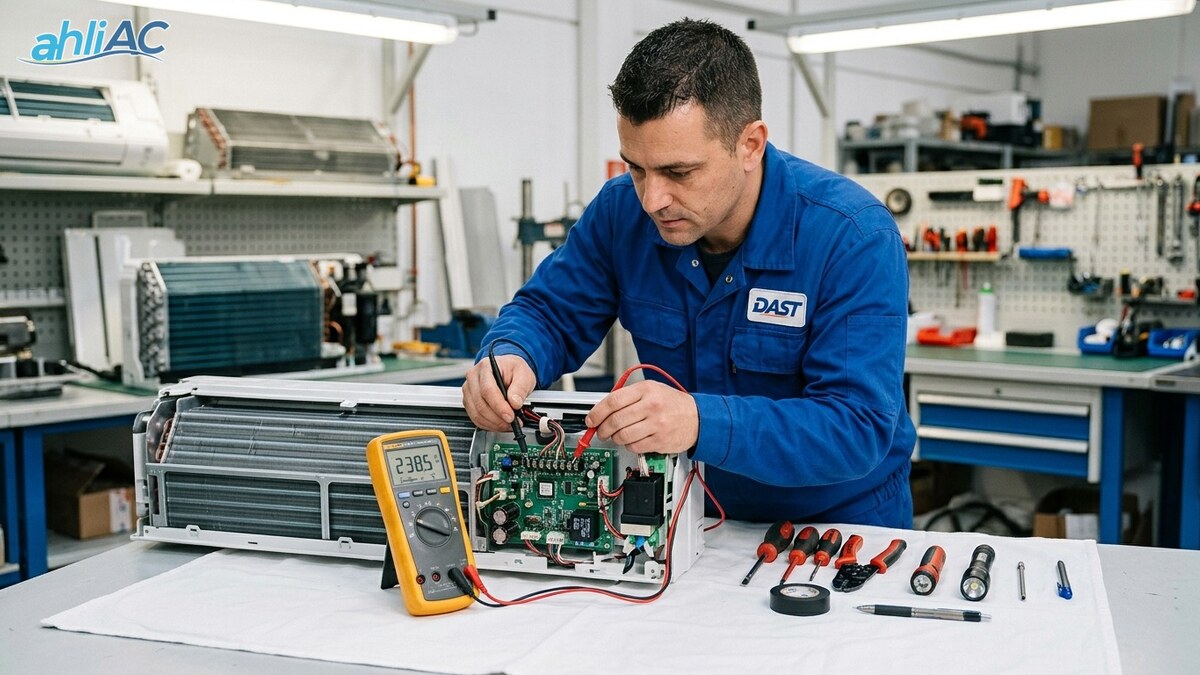
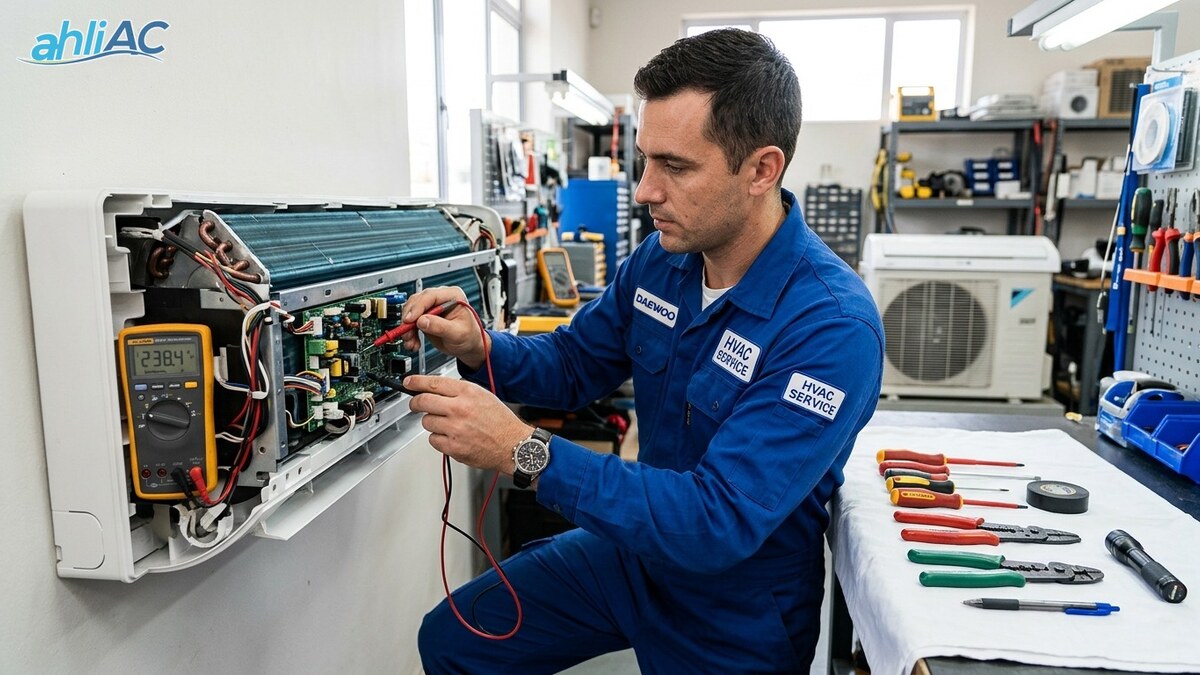
- “Do you provide a report on the compressor’s electrical health?”
- Correct Answer: A pro will measure the starting components and capacitors to ensure you aren’t headed for a total system blackout during the next heatwave.
Finding the “best HVAC contractor near me” isn’t about finding the nearest person with a wrench. It’s about finding a partner who views your comfort as a science.
Summary Table: Pro vs. Amateur Contractor
| Feature | Amateur “Near Me” Contractor | Professional HVAC Specialist (ahliAC) |
| Diagnostic Tool | Visual check & “feeling” the air | Manifold gauges, Multimeters, Anemometers |
| Leak Strategy | “Top off” the gas and leave | Electronic leak detection & pressure testing |
| Airflow Focus | Cleans the filter only | Inspects ducting, static pressure, & blower health |
| Documentation | Hand-written receipt | Detailed digital health report of the unit |
| Long-term Goal | Getting to the next job | Extending the lifespan of the compressor |
FAQ (Frequently Asked Questions)
1. How often should I call an HVAC contractor for maintenance?
For tropical climates, we recommend a professional check every 3 to 4 months. This prevents dust buildup on the evaporator which can lead to ice formation and system failure.
2. Why is my AC running but the room isn’t getting cold?
This could be a “frozen” coil, a failing capacitor, or a refrigerant leak. A professional will check the heat load and the airflow to pinpoint why the heat exchange process is failing.
3. Is it worth repairing an 8-year-old HVAC system?
It depends on the compressor health. If the electrical components are drawing high amps, a replacement might be more cost-effective than a series of expensive “band-aid” repairs.