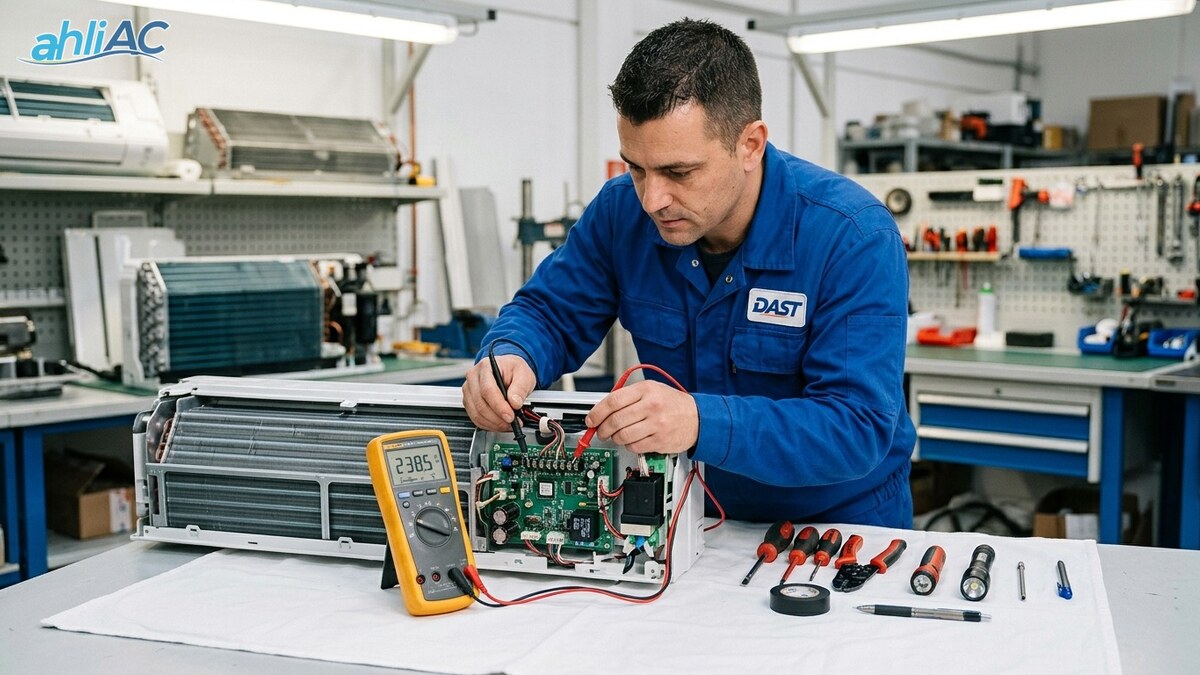
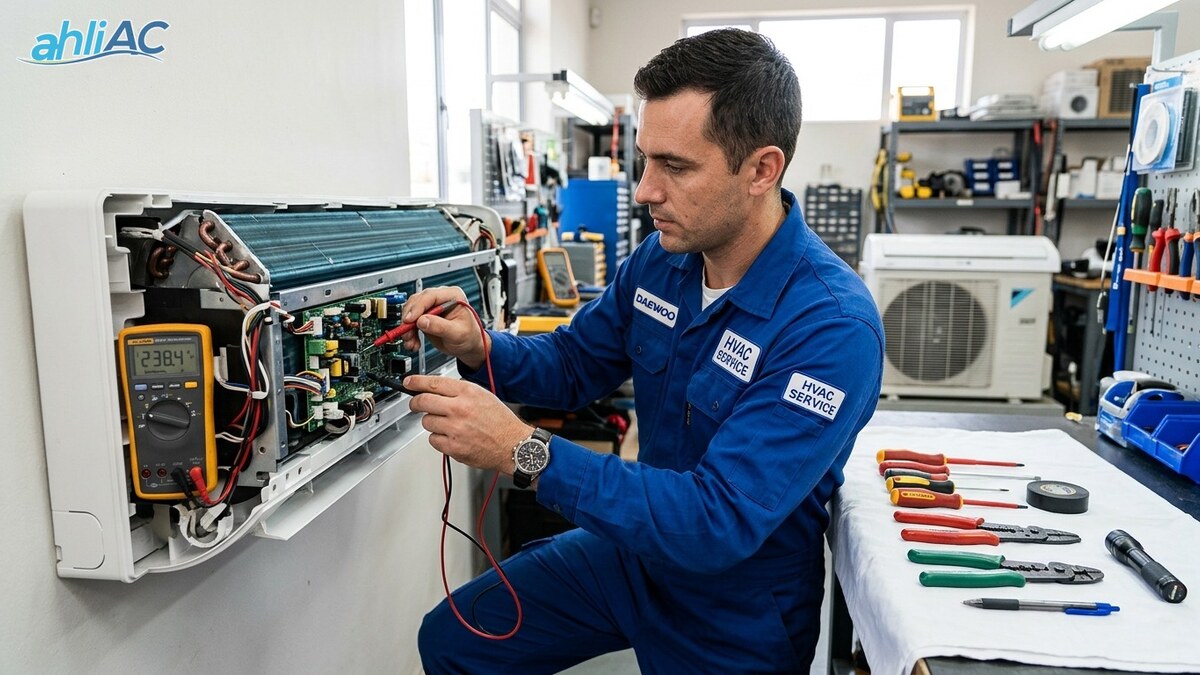
5 Signs You Need a Professional AC Repair Contractor
Imagine coming home after a long day in the sweltering heat, expecting a sanctuary of cool air, only to find your living room feels more like a sauna. We have all been there. Most of the time, we hope it is just a minor glitch that a quick “off and on” cycle will fix. However, ignoring the early warning signs of a failing HVAC system usually leads to much bigger, more expensive headaches down the road.
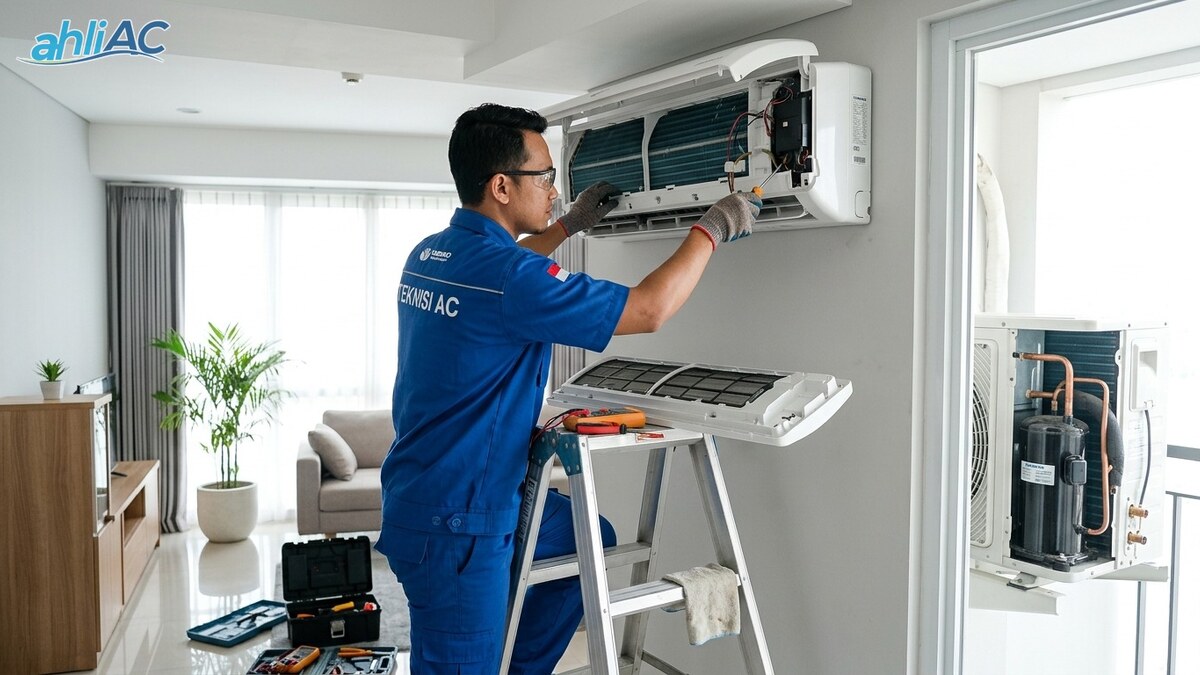
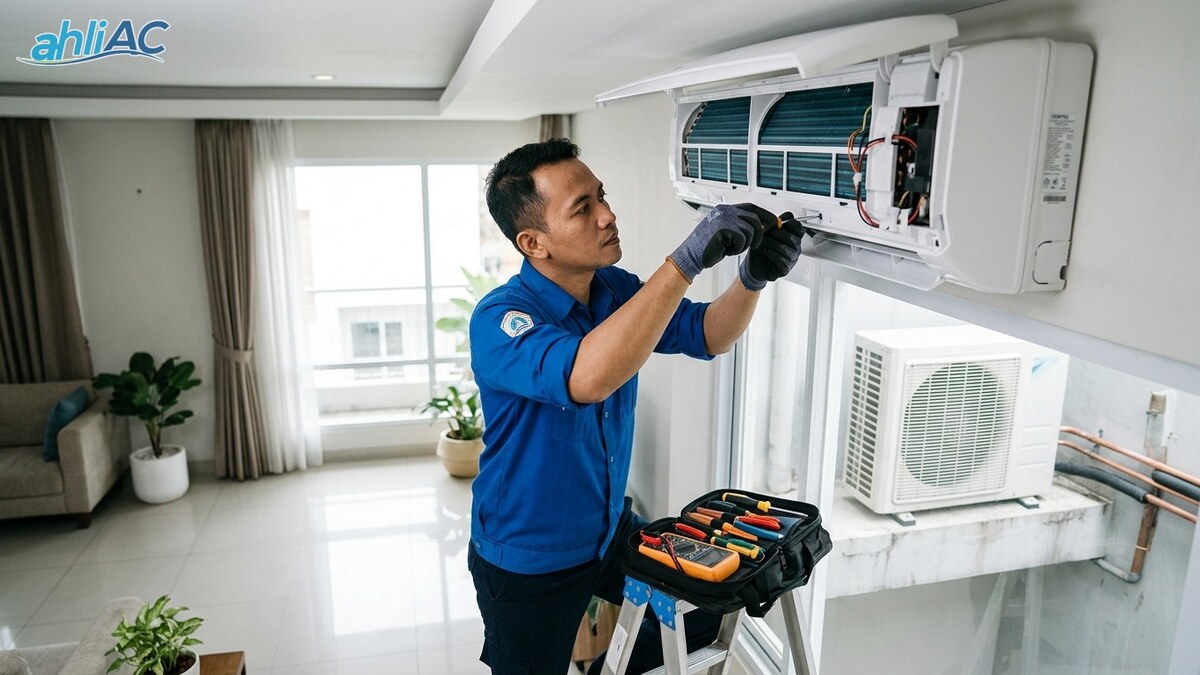
Identifying when you need a professional ac repair contractor is not just about comfort; it is about protecting a significant investment in your property. Modern cooling systems are complex machines where electrical components, chemical refrigerants, and mechanical parts must work in perfect harmony. When one part of that harmony breaks, the rest of the system suffers.
1. Weak Airflow and Poor Static Pressure

If you stand directly under your AC vent and feel only a faint whisper of air, you have a problem. This is often the first symptom of a deeper mechanical issue. While many homeowners assume it is just a dirty filter, professional technicians look deeper into the static pressure of the system.
Weak airflow can stem from a failing blower motor or even issues within your ducting. In many Indonesian homes and offices, dust accumulation or improper insulation leads to restricted paths. If the air cannot move, the evaporator coils can freeze over, eventually causing the entire unit to shut down. An expert contractor will measure the airflow to determine if the blockage is mechanical or related to the structural integrity of your vents.
2. Unusual Mechanical Noises (The Danger Zone)
Your AC should operate with a consistent, low-level hum. If it starts sounding like a bag of marbles in a blender or emits a high-pitched metallic shriek, do not wait. These sounds are the language of a system in distress.
- Grinding or Squealing: This usually points to a problem with the motor bearings or a slipped fan belt.
- Banging or Clanking: This often indicates that a component inside the compressor has come loose or broken off.
- Hissing: This is a classic sign of a refrigerant leak.
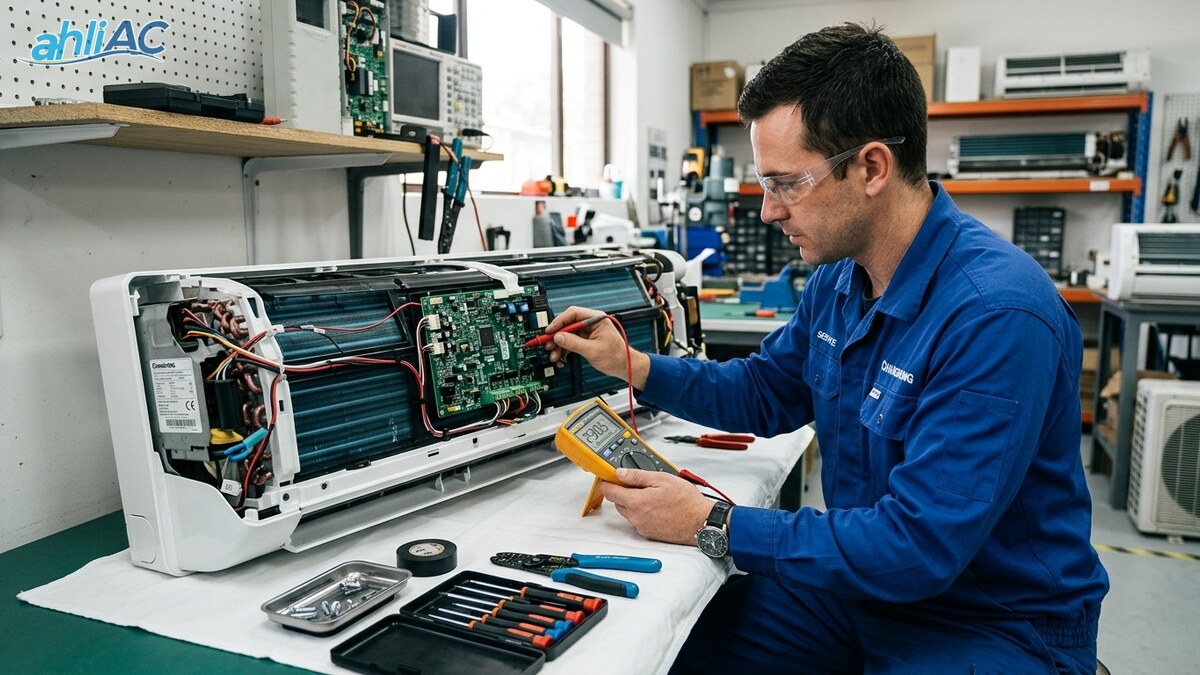
When you hear these noises, the friction inside the unit is likely causing physical damage to the unit outdoor or indoor components. Continuing to run the system in this state can turn a simple bearing replacement into a full system overhaul. A professional ac repair contractor has the diagnostic tools to pinpoint exactly which component is failing before it destroys the surrounding parts.
3. Short Cycling and Thermostat Disconnects

Does your AC turn on, run for three minutes, and then abruptly shut off? This is known as “short cycling.” It is one of the most taxing behaviors an HVAC system can exhibit because the highest amount of electricity is consumed during the initial startup of the compressor.
Short cycling can be caused by several factors, ranging from an oversized unit for the room’s heat load to a malfunctioning thermostat or a clogged condenser coil. When the system cycles too frequently, it never manages to dehumidify the air properly, leaving your space feeling “clammy” even if the temperature seems lower. A professional will calibrate your system to ensure it completes full cooling cycles, which preserves the lifespan of the electronics and the motor.
4. Refrigerant Leaks and Excess Moisture
While it is normal for a unit to produce some condensation (which should exit through the drain line), finding puddles of water inside your home or ice on the copper pipes is a red flag.
The most serious version of this is a refrigerant leak. Contrary to popular belief, an AC does not “use up” gas like a car uses petrol. It circulates the same refrigerant in a closed loop. If you are low on gas, you have a leak. This chemical is vital for heat exchange; without it, the evaporator cannot absorb heat from your room. Handling refrigerant requires specialized certification and equipment to ensure the pipa tembaga (copper pipes) are sealed and the system is recharged to the manufacturer’s exact specifications.
5. The Sudden Spike in Energy Consumption
Sometimes the signs are not audible or visible; they show up in your monthly electricity bill. If your usage habits have not changed but your costs have skyrocketed, your AC is likely working twice as hard to produce half the cooling.
This loss of kapasitas pendinginan (cooling capacity) happens when the system becomes inefficient. It might be due to a failing capacitor, dirty coils, or an aging compressor that is drawing “locked rotor amps.” By hiring an ac repair contractor for a professional tune-up, you often save more on your utility bills than the cost of the repair itself.
Quick Diagnosis Table
| Symptom | Potential Root Cause | Professional Action Required |
| Warm Air Blowing | Compressor failure or leak | Refrigerant pressure test |
| Foul Smells | Mold in ducting or burnt wire | Deep cleaning & electrical check |
| Water Dripping | Clogged condensate line | Industrial vacuum flush |
| Icy Pipes | Frozen evaporator coil | Airflow & gas level check |
The ahliAC Difference
At ahliAC, we believe that a repair is only as good as the diagnosis. Our technicians do not just “patch” a problem; we analyze the entire HVAC ecosystem of your building. Whether it is a specialized marine AC system or a standard residential unit, we focus on restoring the original efficiency of your machine to ensure long-term reliability.
FAQ: Frequently Asked Questions
1. How long does a typical professional AC repair take?
Most common repairs, such as replacing a capacitor or cleaning a drain line, take between 1 to 2 hours. However, complex leak detections or compressor replacements may take longer depending on the accessibility of the unit.
2. Can I just add more refrigerant myself?
No. Refrigerant handling requires specialized gauges and recovery pumps. Additionally, adding gas without fixing the leak is a waste of money, as the gas will simply escape again, potentially damaging the environment.
3. Is it better to repair or replace an old AC?
A good rule of thumb is the “50% rule.” If the cost of the repair is more than 50% of the price of a new unit, and the unit is over 8-10 years old, replacement is usually the more cost-effective choice in the long run.